To start a voice-over career, you develop your vocal and acting skills, record a professional-sounding demo, set up a quiet recording space and begin pitching to clients in the niches that suit you. In Montreal, being comfortable in both French and English can open a wider range of work.
What voice-over work includes
Voice-over is not one job; it is several markets. Common categories include:
- Commercial: radio, online and video advertising.
- Corporate and e-learning: training modules, explainer videos and internal communications.
- Narration: documentaries, audiobooks and podcasts.
- Animation and games: character voices.
- Dubbing: adapting audio to another language. Quebec has its own dubbing tradition and norms, so research the local market.
- IVR and telephone systems: menu prompts and messages.
Each niche has its own style. A warm conversational read for e-learning differs from the energy needed for advertising. Start by choosing one or two niches rather than trying everything.
Build the skills first
Technique matters more than a "nice voice."
Reading and interpretation
Practice reading scripts aloud. Learn to find the key words, the emotional intention and the person you are speaking to. Record yourself and listen critically.
Voice care
Hydrate, warm up before sessions and avoid straining. If you notice persistent hoarseness, consult a health professional.
Training
Consider acting or voice classes, workshops and coaching. Listening to professional work in your target niche and imitating its pacing is a legitimate training method.
Language and accent
In Quebec, listeners notice register. Know the difference between a neutral French suited to a broad audience and a more local sound for a regional campaign, and be able to adapt on request.
Create a demo reel
Your demo reel is your calling card. Keep it short and focused on your best work.
- Use varied scripts that show range within one niche, or separate demos for different niches.
- Put your strongest read first.
- Use clean audio with no background noise and consistent levels.
- Do not use copyrighted commercial scripts without permission; write or commission original copy.
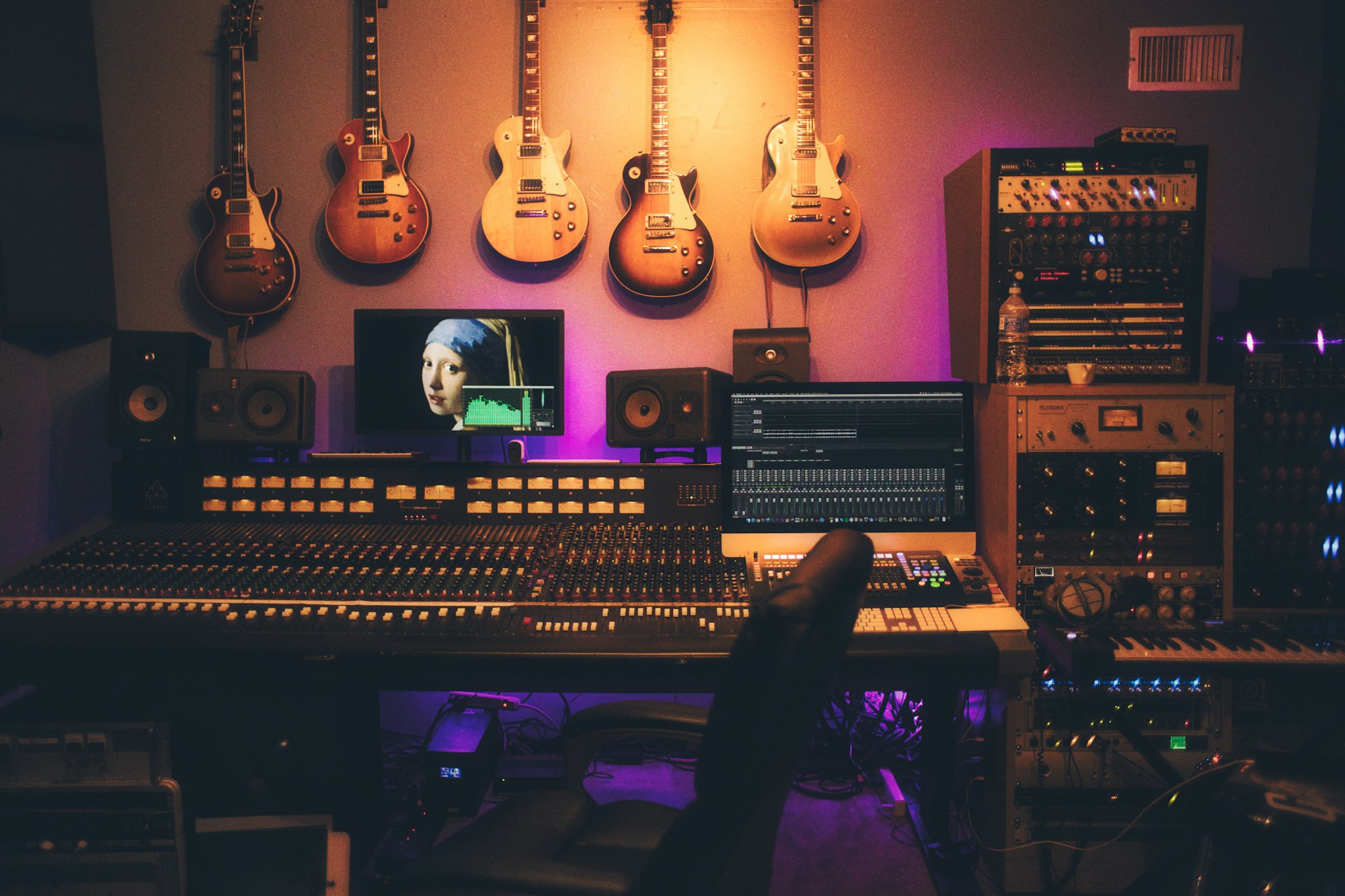
A professionally recorded and edited demo often makes the difference. A studio session with an engineer who knows how voice should sound can save you from common mistakes, and it is a useful investment to ask about.
Set up a recording space
Many voice-over jobs are recorded from the performer's home, so a good setup is a work tool.
- Choose a quiet, small room and soften reflections with blankets, panels or a closet booth.
- Use a quality microphone and an audio interface, with a pop filter.
- Record in a consistent chair position, with the script on a stable stand to avoid paper rustle.
- Learn basic editing: removing breaths when requested, cutting clicks and delivering clean files.
Read our comparison of home and professional studios to decide when to rent a room instead.
Find work
Voice-over is a business of repeated contact.
- Direct clients: local businesses, agencies, training companies, video producers and podcasters.
- Agents and casting platforms: research each carefully, read the terms and understand what they charge.
- Networking: connect with video editors and sound designers who often need voices. Our guide on sound design for video shows how these roles meet.
- Online presence: a simple website with your demo, a short bio and a contact form.
Respond quickly and professionally. Clients remember who delivered on time and followed directions.
Understand the business basics
Voice-over work usually involves a quote, a usage scope (where, how long, in what media) and a delivery format. Be clear about usage, because a local web ad is not the same as a national broadcast campaign. Put terms in writing. This is general information, not legal advice; consider professional guidance for contracts, and check whether performers' unions or associations in your field offer standards that apply to you.
If you want to run your own voice business, see starting an audio business in Quebec.
Grow with a community
Voice actors, audio engineers and content creators help each other find work. The Unica Creator Business Hub is a partnership for creators, artists, social media influencers and young startups. You can join as a referral partner (direct referrals only), and Unica incubation through Unica OS is included with your full-time program: 6 to 12 months for online full-time, or 12 to 20 months for on-campus full-time. A 90-day open pilot is for 20 businesses. Incubation has no cash value and is not transferable.
FAQ
Do I need a special microphone for voice-over?
You need a quality microphone, but your room and technique matter just as much. Start with a reliable microphone in a treated space.
Should I have separate French and English demos?
Usually yes. Clients want to hear the language they are hiring for, so separate demos are clearer than one mixed reel.
How long should a demo reel be?
Short and focused. Lead with your best work and avoid padding.
Can I record my demo at home?
Yes, if your space is quiet and your audio is clean. A studio session can improve quality and give you guidance on performance.