Audio industry careers in Quebec span several distinct sectors: music studios, film and TV post-production, video games, live sound, radio and podcasting, and broadcast. Each one has its own roles, tools and pace, but they all share the same technical core and depend on a well-trained ear.
If you're considering a career in sound, knowing how these sectors fit together helps you pick the right training and aim your first projects. Here's a sector-by-sector look.
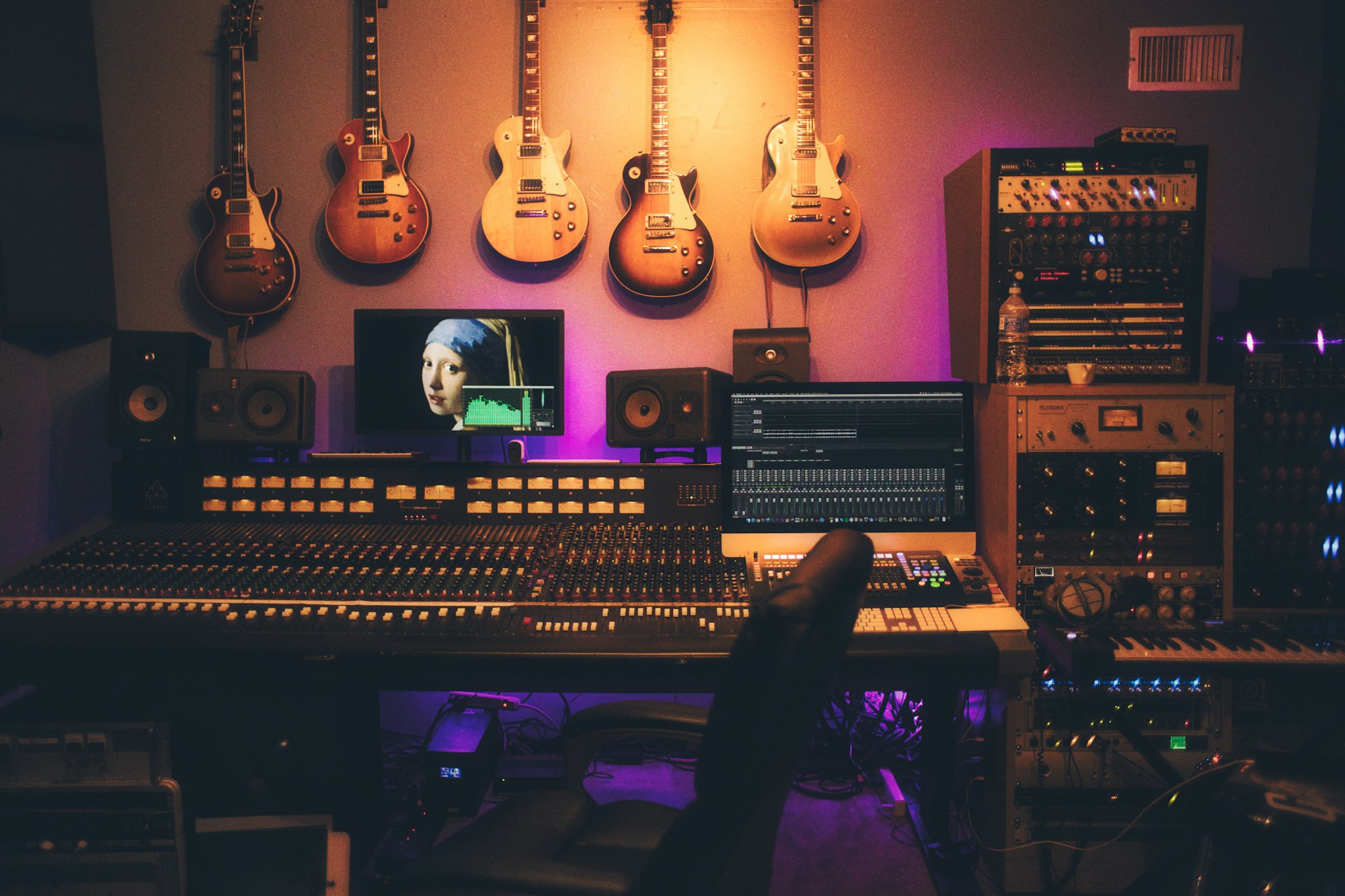
Recording Studios and Music Production
This is the sector most people picture first: tracking, editing, mixing and preparing music for release. Typical roles include:
- Recording engineer: mic selection and placement, session flow, capture.
- Mix engineer: balance, processing, depth and overall cohesion.
- Producer: creative direction, arrangement, working closely with artists.
- Mastering engineer: final polish and delivery for streaming and physical formats.
Quebec's French- and English-language music scenes support studios of every size, from established rooms to project studios. Many people work freelance and combine several of these roles. For more on this path, read our article on music engineering jobs.
Film and TV Post-Production
Montreal is a busy hub for film and television production. In post, sound is built after the picture is locked:
- Dialogue editor: cleaning, matching and smoothing voices.
- Foley artist and sound effects editor: creating or sourcing the sounds that make a scene feel real.
- Sound designer: shaping the overall sonic identity of a project.
- Re-recording mixer: blending dialogue, music and effects to delivery specs.
Post-production rewards precision, organization and respect for deadlines. Our article on audio post-production for film and TV goes deeper.
Video Games and Interactive Audio
Quebec is home to game studios of all sizes, from large productions to small independent teams. Game audio is different because it's interactive: the sound responds to what the player does. Roles include:
- Game sound designer: effects, ambiences, UI sounds.
- Audio integrator / technical sound designer: implementing sounds in the engine with middleware such as Wwise.
- Composer and voice editor.
It's a field that values creativity and systems thinking in equal measure. Learn more in our piece on interactive sound for game audio engineers.
Live Sound and Events
Festivals, concert halls, theatres, tours and conferences make live sound a very active sector in Quebec, especially in festival season. Key roles:
- FOH engineer: the mix the audience hears.
- Monitor engineer: what the performers hear on stage.
- System technician: rigging, tuning and aligning the PA.
- Stage technician: mics, cabling and changeovers.
You learn to think fast and handle the unexpected. See our article on live sound engineering careers for more.
Radio, Podcasting and Broadcast
Radio, live TV and podcasting form another branch of the audio industry. The work centres on voice: studio and field recording, editing, processing, meeting loudness standards and getting content to air or online. Podcasting has opened new doors with broadcasters, content agencies and companies producing their own shows. Versatile people who can record, edit and deliver a finished product are especially valued here.
How Training Maps to These Careers
Whatever the sector, the foundations are the same: understanding signal flow, mastering a DAW, recording cleanly, mixing with intent and listening critically. That's the logic behind Musitechnic's A.E.C. in Sound Recording and Design (NNC.0S), structured over 4 sessions:
- Session 1 – Foundations: the audio industry, intro to DAWs, Audio Recording 101 and 201, the digital audio workstation. Core skills for every sector.
- Session 2 – Development: music creation, mixing, audio post-production and music repair. Studio and picture work side by side.
- Session 3 – Specialization: advanced creation and mixing, audio for video games, career management.
- Session 4 – Projects and Internship: music production project, critical listening, post-production project, then a final project or a 45-hour internship.
If you're focused on games and film specifically, the on-site A.E.C. in Sound Techniques for Video Games and Film (NNC.0N) runs 16 months. Classes use industry-standard tools including Pro Tools, Ableton, Cubase, Studio One, Wwise and iZotope. To weigh your options, our guide to audio engineering schools is a good next read.
FAQ: Audio Careers in Quebec
Do I need to pick a sector before starting school?
Not necessarily. A broad program lets you try studio, post and game audio before specializing. Many students find their niche along the way.
How much do audio professionals earn in Quebec?
It varies widely by sector, region, experience and whether you're salaried or freelance. For current figures, check the Government of Canada's Job Bank.
Does being bilingual help?
Yes. Many Quebec projects run in both French and English, and being able to work with clients in either language is a genuine advantage.
Take Your First Step Into the Audio Industry
Musitechnic (Collège Unica) has been training sound professionals since 1987. Explore the A.E.C. in Sound Recording and Design, available on site in Montreal or fully online. To tour our studios and ask questions, book a visit or visit Admissions. For financial aid, ask our admissions team about your eligibility.