Sound design for video games means creating sounds that respond to the player in real time, then wiring them into the game with audio middleware such as Wwise. If you're a beginner, the key idea is simple: in a game you don't deliver a finished mix, you deliver a system of sounds and rules that the game triggers on its own.
Why game audio is different from film audio
In film and TV, every sound sits at a fixed spot on a timeline. You edit it, mix it and print it. Games don't work that way. The player decides when to sprint, reload, open a door or walk from a forest into a cave, and the audio has to keep up.
That changes the job in a few concrete ways:
- Variation matters. Hearing the exact same footstep 500 times gets old fast, so designers record several takes of each sound and let the engine pick one at random, often with small pitch and volume shifts.
- Context drives the mix. The same explosion should sound different indoors and outdoors, close up and far away.
- Performance counts. Audio shares memory and CPU with graphics and gameplay, so every file has a cost.
If you're curious about the linear side of the industry, our post on audio post-production careers in film and TV is a useful comparison.
What Wwise does (and why studios use it)
Wwise, made by Audiokinetic, is audio middleware: it sits between your sound files and the game engine, whether that's Unity, Unreal or an in-house engine. The game sends messages to Wwise, and the sound designer decides what those messages do.
Here are the five building blocks every beginner should learn first.
Events
An Event is the trigger the game calls, like Play_Footstep or Stop_Rain. One Event can contain several actions: play a sound, stop another, fade a bus, change a state.
RTPCs (Real-Time Parameter Controls)
RTPCs are continuous values coming from the game, such as vehicle speed, player health or distance to an enemy. You map them to things like pitch, volume or filter cutoff, so an engine revs up smoothly or the world gets muffled as health drops.
Switches
Switches are per-object choices. A footstep Event can use a Switch for surface type, so the character plays wood, snow or metal footsteps depending on where it's standing.
States
States are global changes that affect the whole game, like moving from "explore" to "combat" or opening a pause menu. A State change can reshape the music and the mix in one move.
SoundBanks
SoundBanks are the packages of audio data and instructions the game loads into memory. Smart bank organization keeps memory use and loading times under control, which is a big deal on consoles and mobile.
Interactive music: thinking in layers and segments
Game music follows the same logic. Two common techniques:
- Horizontal re-sequencing: the score moves between segments (exploration, tension, battle) with transitions that land on a bar or beat.
- Vertical layering: extra layers such as drums or strings fade in and out with the intensity of the action, often driven by an RTPC or a State.
So composers deliver stems, loops and transition points, not just a finished track.
A typical game audio workflow
- Break down the design document and list every sound need: characters, UI, ambiences, weapons, dialogue.
- Create the assets in a DAW like Pro Tools, Ableton Live or Cubase, using recording, synthesis and processing.
- Export clean, well-named variations.
- Build the logic in Wwise: random, sequence and switch containers, plus Events, RTPCs and States.
- Hook it into the engine with the programming team and test in the game.
- Mix in context and optimize banks, priorities and attenuation.
Then iterate: a sound that feels great in headphones can grate on the hundredth playthrough.
Skills you'll need to get started
- Core audio skills: recording, editing, EQ, compression, reverb and critical listening.
- DAW fluency, plus processing tools like FabFilter, iZotope or Waves.
- Middleware knowledge (Wwise) and a basic understanding of how game engines work.
- Organization: naming conventions, file management and documentation.
- Teamwork: you'll work closely with programmers, level designers and art directors.
For a deeper look at the interactive side, read interactive sound for audio engineers.
Learning game audio at Musitechnic | Collège Unica
Musitechnic has been training audio professionals in Montreal since 1987. Two programs connect directly to sound design for video games:
- Sound Techniques for Video Games and Film (NNC.0N): a 16-month, on-site A.E.C. at our Westmount campus. Get the full overview in our NNC.0N program guide.
- Sound Recording and Design (NNC.0S): 960 hours over 4 sessions, on-site or 100% online. Session 3 includes the Audio for Video Games course, and Wwise is among the software taught at the school.
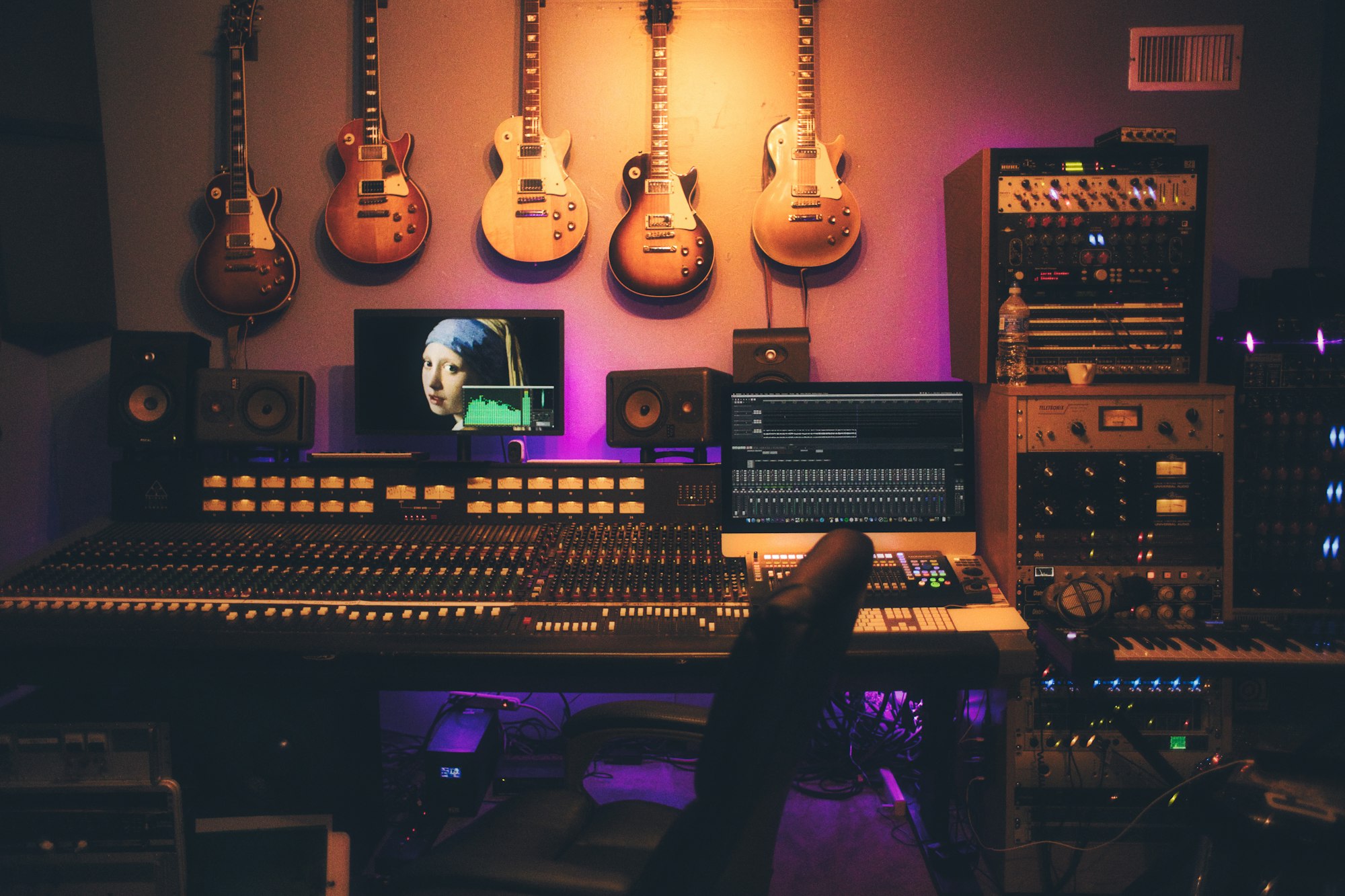
On campus, students work in 8 studios plus labs equipped with SSL consoles, Pro Tools HD, Ableton Live and Wwise for game audio integration.
FAQ
Do I need to code to work in game audio?
Not necessarily. Wwise is built so sound designers can create interactive behaviour without programming. Understanding how an engine works and being able to talk with programmers is still a real advantage.
Can I learn Wwise for free?
Audiokinetic offers a version you can use for free for learning and non-commercial projects, along with online training. Check their current licensing terms before starting a commercial project.
What's the difference between a Switch and a State?
A Switch applies to a single game object (the surface under one character), while a State changes a global context (explore vs. combat) for the whole game.
Take the next step
Ready to turn your interest in game audio into a career path? Explore Sound Techniques for Video Games and Film, review the Admission page and come see our studios in person: book a campus visit. Questions about financial aid eligibility? Contact our admissions team.