Foley is the studio creation and recording of a film's everyday sounds — footsteps, clothing rustles, handled objects — in perfect sync with the picture. It's also called Foley in English, and when it's done well, nobody notices it: that's precisely the art of it.
Why recreate sounds that already existed on set? Because the production recording on a film shoot is primarily designed to capture clean dialogue. Other sounds are weak, poorly placed or unusable. Foley gives the film its texture, its weight and its credibility.
The Foley Artist's Role
The Foley artist (or bruiteur in French) is a sound performer. In front of a screen, they "play" the characters' gestures: they walk with them, open doors, handle cups, fight, fall. The work demands a keen sense of rhythm, good visual memory and a fine understanding of a scene's emotions. A hesitant step and a confident step don't sound the same, even in the same shoes.
The Foley artist works in tandem with a sound engineer in the control room who chooses the microphones, manages the recording and ensures each take matches the picture. Depending on the production, a Foley editor then cleans up and adjusts the takes.
Footsteps: the backbone of Foley
Footsteps often make up the largest portion of a Foley session. A Foley stage typically has multiple surfaces: concrete, wood, gravel, dirt, tile, carpet, sometimes a pit filled with water or sand. The artist chooses shoes based on the character and follows each step on screen, often in a single take per character.
Footsteps give character: the click of heels in a corridor, the crunch of snow, the run across a wooden dock. They also place the action in space and support continuity between shots.
Props and sonic creativity
Beyond footsteps, two other families are usually distinguished:
- Cloth (froissements): the rubbing of clothing with each movement. Subtle, but without it, characters seem to float.
- Props: everything that is handled, like keys, dishes, papers, weapons or bags.
This is where inventiveness comes in. The "real" sound isn't always the most convincing. A snapped celery stalk can evoke a bone, manipulated leather can imitate wings, a glove filled with cornstarch can render footsteps in snow. Foley stages accumulate shelves of miscellaneous objects over the years, each chosen for its sonic qualities.
Recording and synchronization
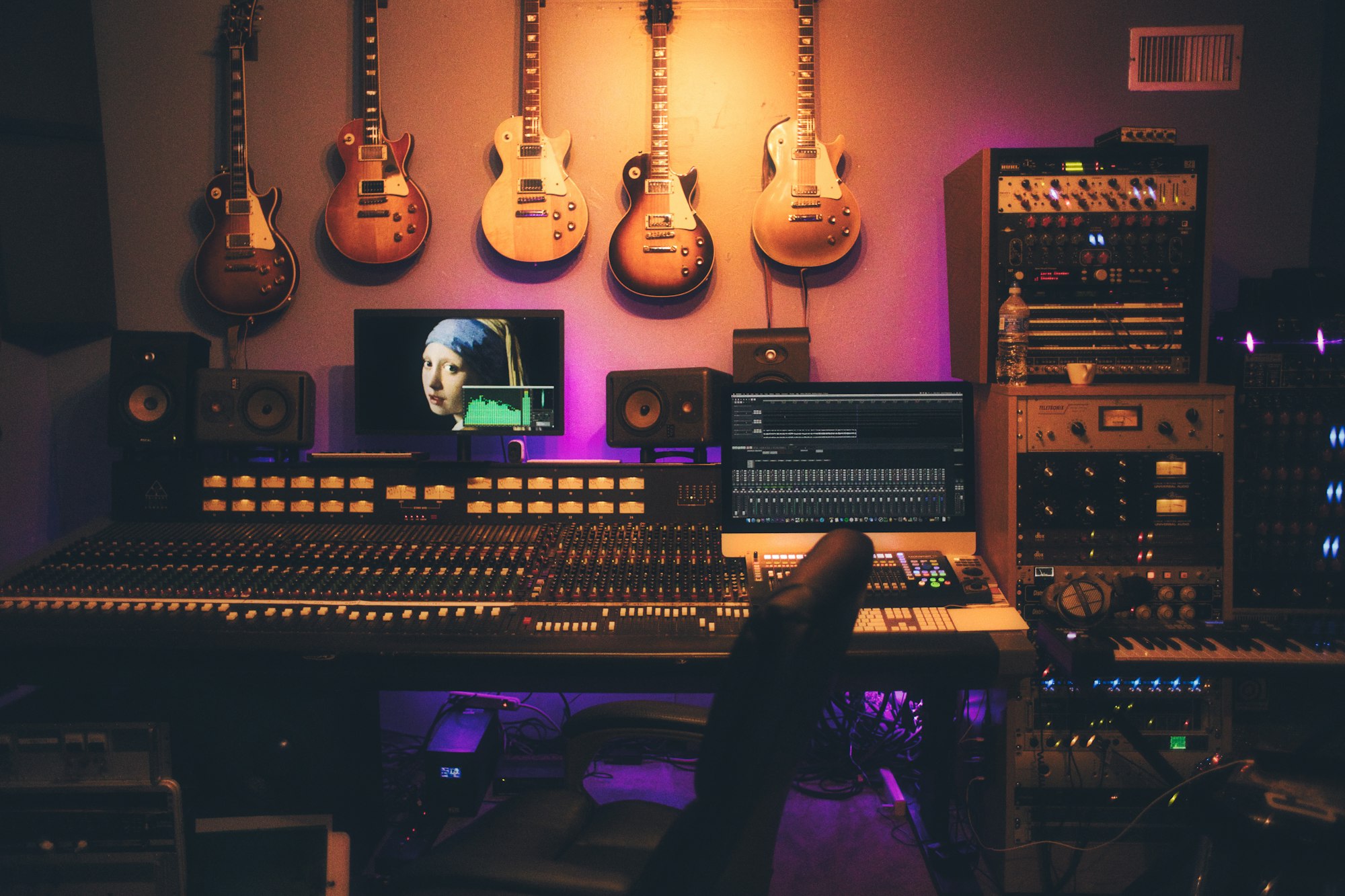
During a session, the scene loops on screen while the Foley artist performs the gestures. A close-pattern condenser microphone is commonly used, sometimes paired with a second more distant mic to give a sense of space. The room itself is heavily damped so it doesn't impose its own acoustics. The work is done in a digital audio workstation like Pro Tools, where each element is recorded on its own track.
Synchronization comes down to a few frames. A late step is immediately perceived as wrong. After recording, the editor adjusts the position of certain sounds as needed, cuts out unwanted noise and organizes the tracks for mixing.
Foley's place in audio post-production
Foley is just one step in audio post-production, alongside dialogue editing, ADR, sound effects, music and final mixing. It also feeds the international track (M&E), the dialogue-free version that allows dubbing into other languages: without complete Foley, movement sounds would disappear with the original voices.
To understand the full chain and the crafts surrounding it, read our article on audio post-production for film and television.
Training for sound for picture in Montreal
At Musitechnic (Collège Unica), the Sound Techniques for Video Games and Film A.E.C., a 16-month on-site program, is dedicated to sound for picture. The Sound Recording and Design A.E.C. includes an audio post-production course and a post-production project at the end of the program. Classes take place in our Westmount studios, with Pro Tools HD and SSL consoles.
FAQ
What's the difference between Foley and sound effects?
Foley is performed in sync with the picture by an artist (footsteps, cloth, props). Sound effects usually come from sound libraries or field recordings: explosions, cars, ambiances.
Is Foley still used alongside sound libraries?
Yes. Libraries are useful, but Foley matches the precise gestures of each actor, which no library can reproduce with the same naturalness.
How do you become a Foley artist?
Usually by first developing a solid foundation in recording and post-production, then gaining experience on the job at post-production studios. A sense of rhythm and sonic imagination matter as much as technique.
Take your first steps in sound for picture
Intrigued by Foley? Explore the Sound Techniques for Video Games and Film program, visit the Admission page, or book a campus tour to discover our studios.