The most common mistake new engineers make with vocal sessions is treating setup as something that happens after the artist walks in. Every minute a vocalist spends watching you solder a cable or hunt for a pop filter is a minute their performance cools down. A planned session is not about perfection; it is about protecting the narrow window when a singer is actually ready to deliver.
Decide the technical chain before the room is booked
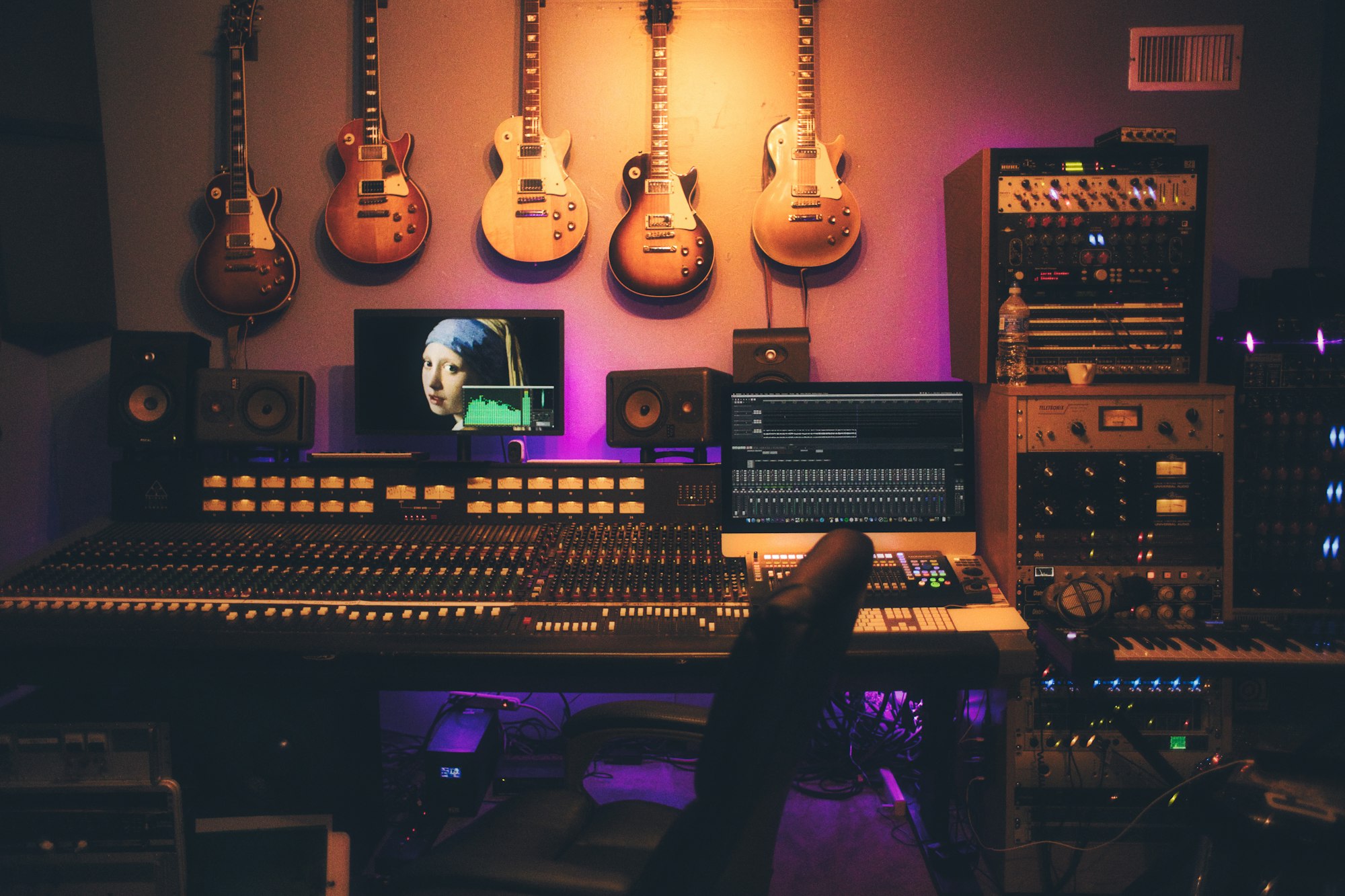
Before you reserve studio time, settle the signal path on paper. Pick the microphone type for the voice you expect — a large-diaphragm condenser for detail and air, a dynamic for a loud, aggressive delivery, a ribbon for a dark, smooth top end. Choose the preamp and converter, and decide whether you will monitor through the DAW or a dedicated cue mix. Write the chain down. If you change your mind at the session, the written chain is still your fallback, not a blank page.
This is also when you confirm the song's key, tempo, and arrangement. A vocalist who arrives to discover the backing track is in the wrong key has already lost the first take mentally. Ask for the final reference mix in advance, import it, and confirm it plays in the headphones before the singer arrives.
Build the headphone mix in advance
The cue mix is the single thing a vocalist interacts with most, and it is the thing beginners neglect most. Before the artist arrives, route the backing track, a click (if used), and a rough vocal send into the headphone bus. Set a comfortable starting level. When the singer puts on the headphones, they should hear something close to right, not silence followed by ten minutes of "can you turn me up?"
Add a little reverb to the cue vocal. Most singers perform better when their own voice carries some space in the headphones; a completely dry cue can make them push and strain. Keep the reverb in the cue only — do not print it to the recording track.
A worked example: the 30-minute pre-session
Imagine a session for a pop lead vocal at a Westmount studio. You arrive 30 minutes early. In the first 10 minutes, you set up the microphone on its stand, attach the pop filter at a hand's width from the grille, and run a cable to the preamp. You confirm phantom power is on for the condenser, set the preamp gain to a conservative starting point, and arm the track.
In the next 10 minutes, you import the final backing track, set the session tempo and key markers, and build the headphone mix: backing track at a solid level, click muted unless requested, vocal send with a touch of plate reverb. You test the cue by speaking into the mic yourself.
In the last 10 minutes, you record 30 seconds of room tone with the mic armed, then record yourself counting to ten at a normal speaking level. You check the recorded level sits well below clipping — peaks around minus 12 dB, not pinned to zero. You delete the test clip. When the vocalist opens the door, the room is ready and silent.
Checklist to run before the artist arrives
- Microphone mounted, pop filter placed, cable dressed and secure.
- Phantom power confirmed on for condensers; off for ribbons.
- Preamp gain set to a conservative starting level.
- Track armed, input monitored, record-ready tested.
- Backing track imported, correct key and tempo confirmed.
- Headphone mix built and tested by speaking into the mic.
- Cue reverb added to the monitor path only, not the print.
- Room tone captured; test level recorded and deleted.
- Water, lyrics printed, and a comfortable temperature set.
Pitfalls that undo the plan
The biggest pitfall is assuming the artist will wait while you fix things. They will not; they will start second-guessing the session. Another is over-planning the performance itself — you can prepare the chain, but you cannot script the emotion. Leave room for the singer to try a different approach. A third is forgetting to test the cue mix with your own voice; a mix that looks right on the meters can still be unbalanced in the headphones.
Your next step
Before your next vocal session, write the full signal chain on one page and build the cue mix 30 minutes before call time. If you want to practise this end to end in a real studio environment, explore the recording and sound design program where these workflows are taught hands-on.
Ready to run your own sessions?
Practise session planning in real studios with working engineers.
Book a studio visit