In the commercial sound industry, studio owners and lead mix engineers review audio portfolios and showreels before scheduling interviews. A generic resume with a list of software titles carries far less weight than a focused, well-organized 2-minute audio showreel demonstrating technical clarity, vocal balance, and genre versatility. Building a clean audio portfolio during your studies is the most direct pathway to securing competitive studio internships.
Structuring a 90-second audio showreel
Busy studio managers rarely listen beyond the first 30 seconds of an applicant's demo reel. Keep your audio showreel tight, structured, and impactful:
Opening Highlight (0:00 - 0:30): Lead with your single best 30-second mix snippet — typically a radio-ready chorus showcasing lead vocal clarity, drum punch, and wide stereo imaging.
Genre Contrast (0:30 - 1:15): Feature 2 to 3 distinct 15-second excerpts demonstrating versatility across genres (e.g., acoustic vocal performance, modern pop/hip-hop production, or game audio sound design).
Technical Demonstration (1:15 - 1:30): Conclude with a brief excerpt showing clean edited multitrack tracking or acoustic drum recording before fading out.
Documenting before-and-after session work
Elevate your portfolio website by providing interactive before-and-after audio comparisons alongside detailed session documentation.
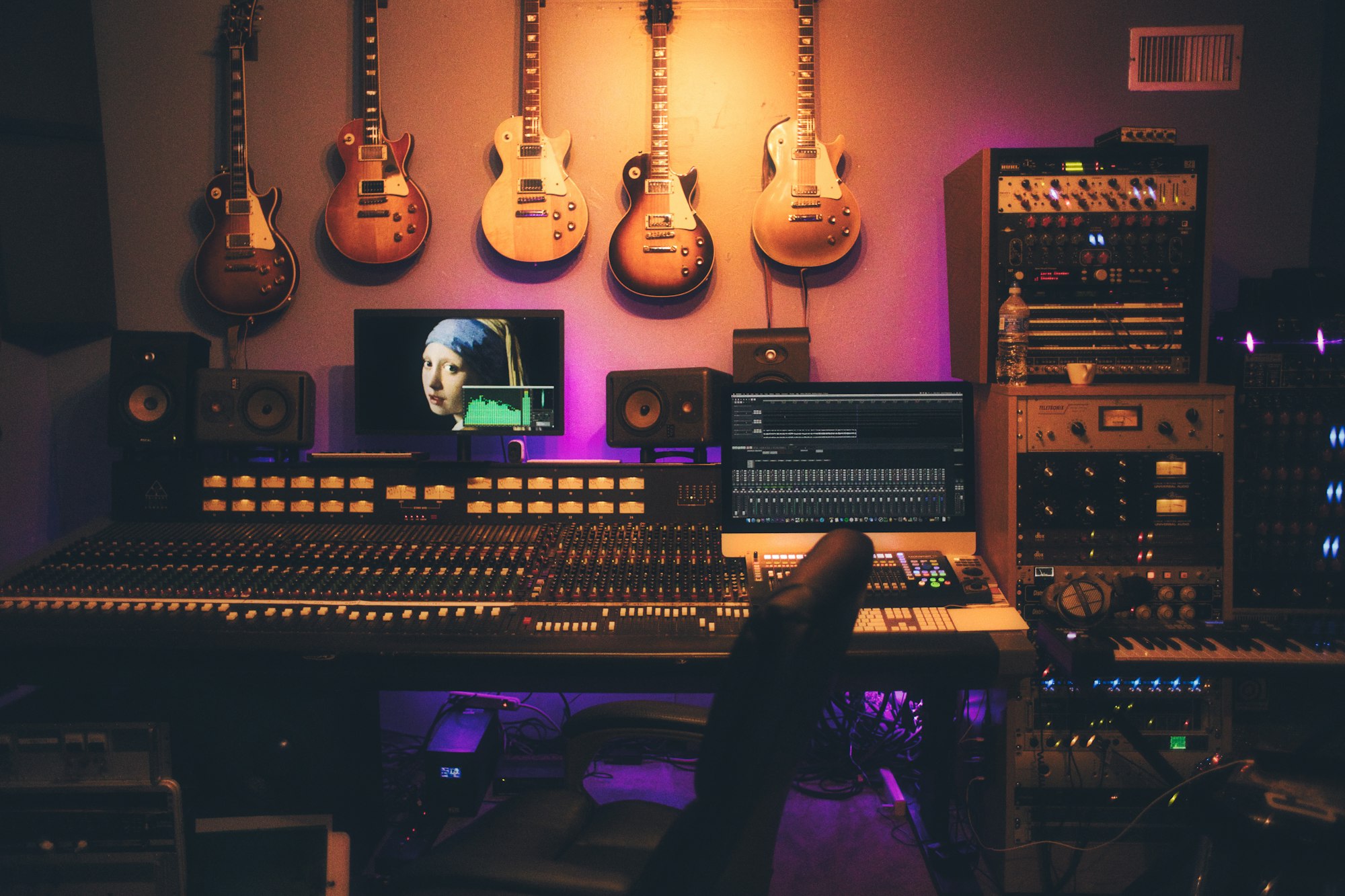
For each portfolio project, include: 1) A brief 2-sentence project summary; 2) Short A/B audio players featuring unmixed raw tracking stems vs. final mastered audio; 3) High-resolution photos of console patchbays, microphone arrays, or DAW session layouts; 4) A clear breakdown of your role (e.g., Recording Engineer, Vocal Comping, Mixer).
Practical portfolio build: student project showcase
Consider building a student audio portfolio website for Westmount internship applications.
Step 1: Select 3 strong projects completed during your AEC studies (e.g., live drum session, pop vocal mix, post-production game audio redesign). Step 2: Trim excerpts to the best 20-second sections and master them to consistent -14 LUFS integrated levels. Step 3: Host audio files on clean, ad-free streaming platforms or a custom portfolio site. Step 4: Include a PDF liner notes sheet detailing session gear, console routing, and DAW plugins used.
Audio portfolio checklist
- Keep total showreel duration strictly under 2 minutes (90 seconds is ideal).
- Lead with your absolute strongest chorus mix snippet within the first 5 seconds.
- Normalize all demo reel excerpts to equal integrated loudness (-14 LUFS).
- Clearly credit artist names and state your exact technical roles on each track.
- Host audio on fast, mobile-friendly platforms without forced login screens.
- Consult Sound on Sound and AES career portfolio presentation advice.
Common portfolio mistakes
A major mistake is including full 4-minute songs that require studio managers to skip around manually to find the chorus. Another error is submitting unmastered tracks with drastic volume jumps between excerpts. Finally, presenting low-quality MP3 files (under 320 kbps) with audible compression artifacts damages your credibility.
Next steps in portfolio development
Select your 3 best mix excerpts, trim them to 30-second clips, and normalize their loudness. To build real studio portfolio projects under the guidance of working engineers in Westmount facilities, explore our sound recording and design program.
Build your audio portfolio in professional Westmount studios
Create industry-ready portfolio projects on SSL consoles and Pro Tools systems.
Book a studio visit